When Fashion Becomes Data
Brandy Melville sues Shein for copyright infringement, unfair competition
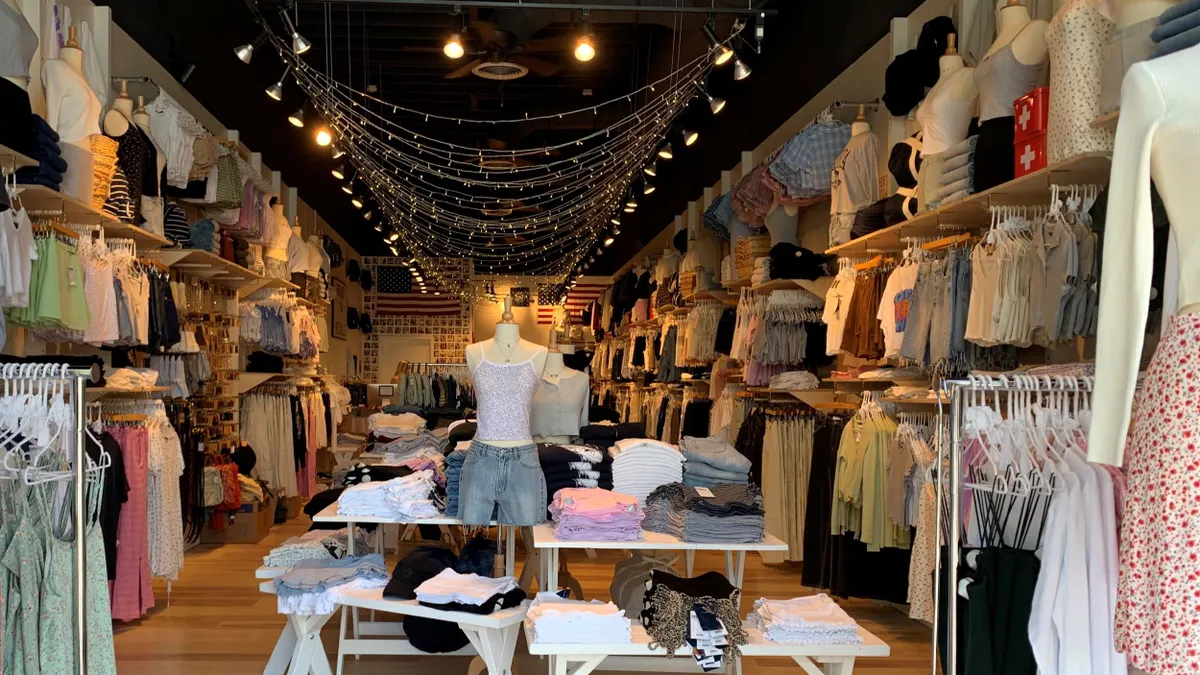 |
| The interior of a Brandy Melville store in Lincoln Road Mall South Beach. The image by Phillip Pessar is licensed under CC BY 2.0 |
According to The Fashion Law and Fashion Dive, SHEIN displayed Brandy Melville's authentic photos on its website. This led shoppers to believe they were buying genuine Brandy Melville products. Instead, customers received lower-quality copies — fake versions of what was shown.
The lawsuit isn't just about copying designs. It also raises questions about how AI and data-driven tools might speed up copying in fashion. When companies use algorithms to track and recreate trends, there's a risk that creative originality gets replaced by machine-made copies.
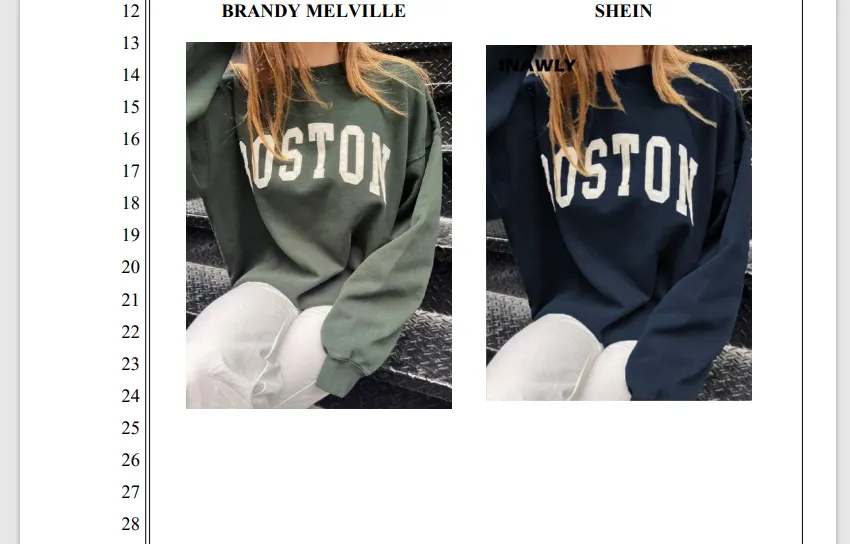 |
| Retrieved from Court Filing. |
Brandy Melville's lawsuit has several main points:
- Copyright Infringement: SHEIN used Brandy Melville's photos and designs without permission.
- Misleading Branding & Unfair Business Practices: SHEIN used Brandy Melville's photos to sell knockoffs. This could mislead consumers.
- Indirect Responsibility: SHEIN's marketplace may enable third-party sellers to profit from these infringements. If so, SHEIN may still be responsible.
One modern aspect of this case involves AI technology. Brandy Melville says the copies appeared so quickly and looked so similar that they may have been created using AI or algorithms. Other designers have noticed the same thing — their designs show up on fast-fashion websites soon after they post them online.
If the court agrees, this case could change how copyright and consumer protection laws apply to AI. Today, copying can happen almost instantly and reach customers around the world.
As a model, I see this lawsuit as an important reminder: who owns creative work is becoming less clear. Fashion is more than just clothes — it's about identity, telling visual stories, and how brands connect with their audience.
When a brand's photo is copied, the photographer loses credit, the designer loses recognition, and even the model's image becomes part of a fake story. AI makes it easier for those boundaries to blur.
This case reminds me that:
- My image belongs to me. I need to make sure my contracts protect how it's used — especially to stop AI from copying it or others from reselling it.
- Being real matters. When everything can be copied by computers, staying genuine and honest makes you stand out in a way that technology can't copy.
- Knowing your rights gives you power. Learning about your legal rights isn't something to be scared of — it's about staying in control of your own creative work.
Brandy Melville vs. SHEIN isn’t just a business disagreement. It’s a snapshot of fashion’s digital future — one where every creator, model, and designer must defend not only what they make, but who they are.
The Fashion Law (2025, June 25). Brandy Melville sues SHEIN for copyright infringement and unfair competition.https://www.thefashionlaw.com/tl-dr-shein-marketplace-littered-with-gray-market-goods-brandy-melville-claims/
Fashion Dive (2025, June 27). Brandy Melville files lawsuit against SHEIN for copying designs and using photos.https://www.fashiondive.com/news/brandy-melville-sues-shein/752201/


I like the fact that you used the expression "As a model, I see this lawsuit as an important reminder..." since a blog is meant to show an audience how the content being written about affects the blogger. You also clear showed in your post the wider importance of the case as being not just between a designer and a copy accused of intellectual property theft, but also about the protection of all artists from abuses from AI and the appropriation of their identity (what makes them unique).
ReplyDeleteIt's great that you used two sources. Try to use two sources from different news media in the future though.
The topic interests me. These issues still haven’t been solved even though they have happened many times. I feel this is because many consumers continue to support SHEIN. The case also makes me realize that fast fashion and AI can easily blur the line between original work and copies, which harms designers, photographers, and even models.
ReplyDeleteI felt like your post does a great job showing how the Brandy Melville vs. SHEIN case isn’t just about copying clothes but about the deeper erosion of creative ownership in a data‑driven fashion world. The way you connected the lawsuit to the rise of AI‑accelerated copying made the issue feel more urgent. I especially liked how you framed the problem from multiple perspectives. Photographers, designers, and models because it highlights how many people are affected when a single image is misused.
ReplyDeleteOne thing that could make your analysis even more powerful is adding a bit more detail about how AI trend‑scraping actually works. A short explanation of how algorithms detect popular silhouettes or graphics could help us understand why copying happens so quickly and why traditional copyright laws aren’t keeping up. Also briefly contrasting this case with earlier fast‑fashion lawsuits to show how AI changes the stakes and the speed of infringement.
Your closing reflections about identity, authenticity, and protecting your own image were very strong. Leaning even further into that personal perspective could make the post resonate even more with people that don’t work in fashion but still share their images online.